Thanks ever so much for watching my work—it truly means the world to me.
With gratitude,
~ Guttasolis ~
Writer of light, shadow, and the stories between
CATEGORIES
I hope you enjoy my works at least half as much as I enjoyed planning and making them. Their whole reason of existence is to bring joy… All my prompts are free for anyone to use and change however you want.
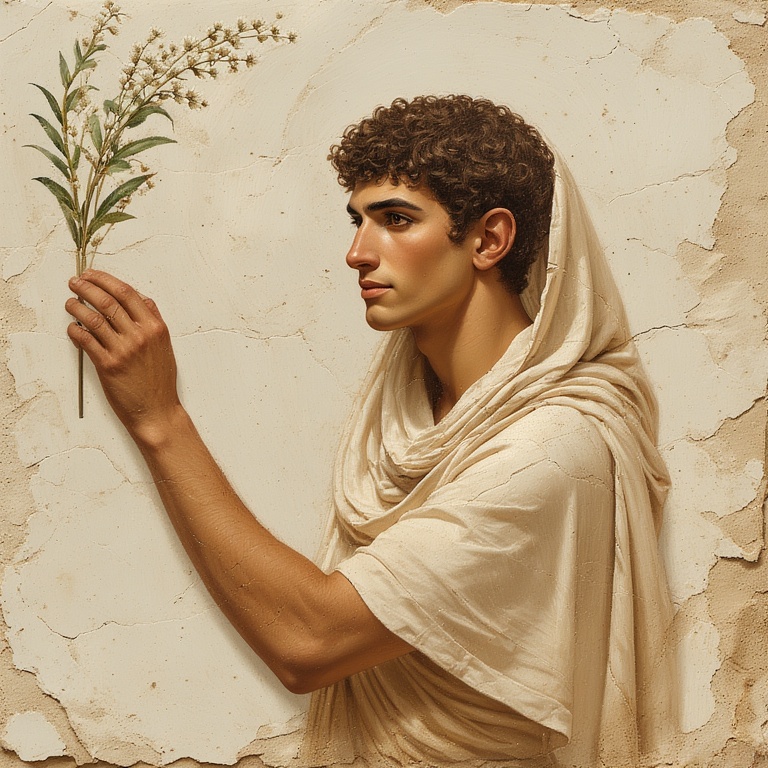
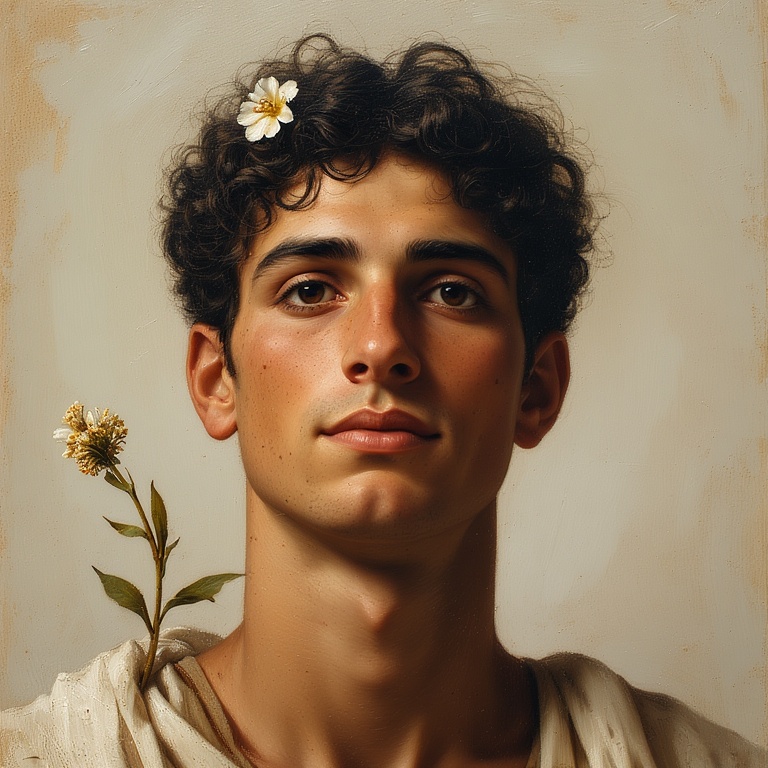
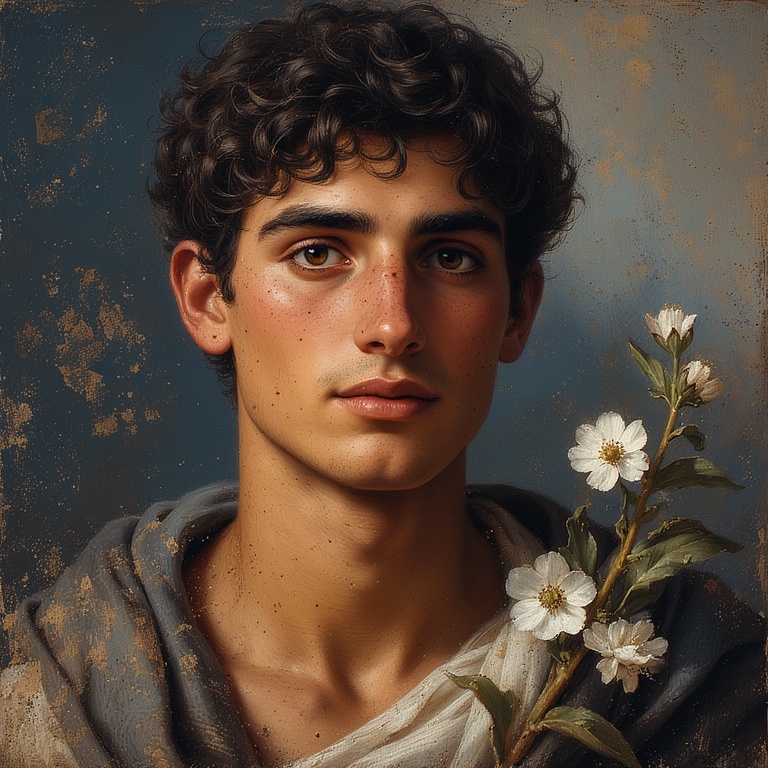
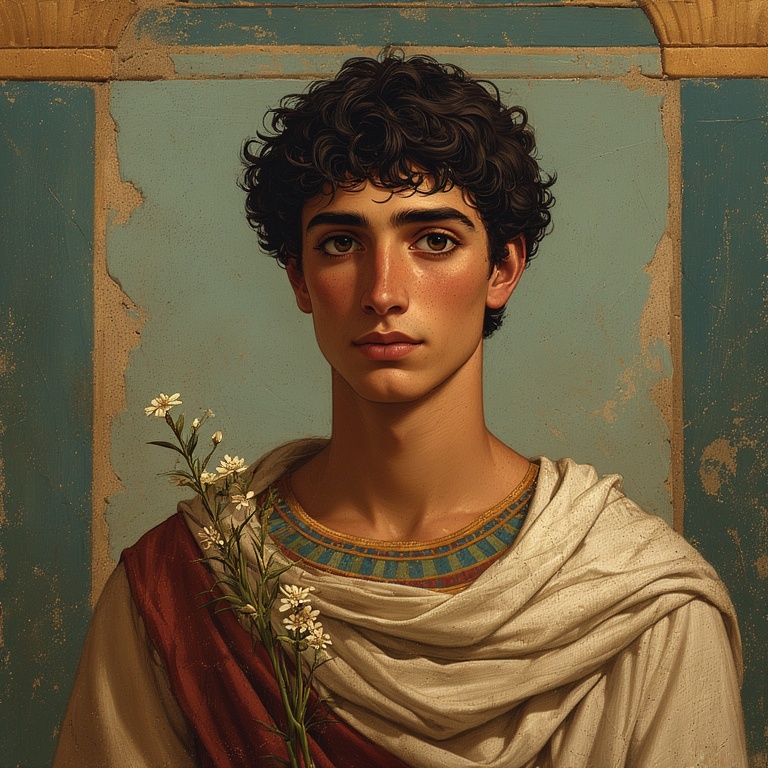
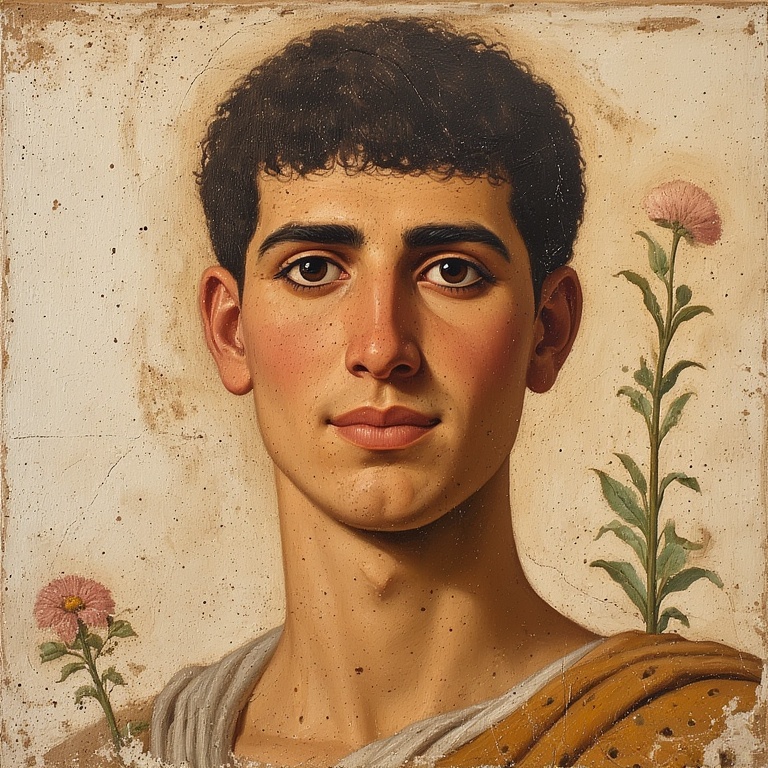
A Graeco-Roman fresco portrait from ancient Egypt, likely from the region of Fayyum
Оприлюднено
1 коментар до “A Graeco-Roman fresco portrait from ancient Egypt, likely from the region of Fayyum”
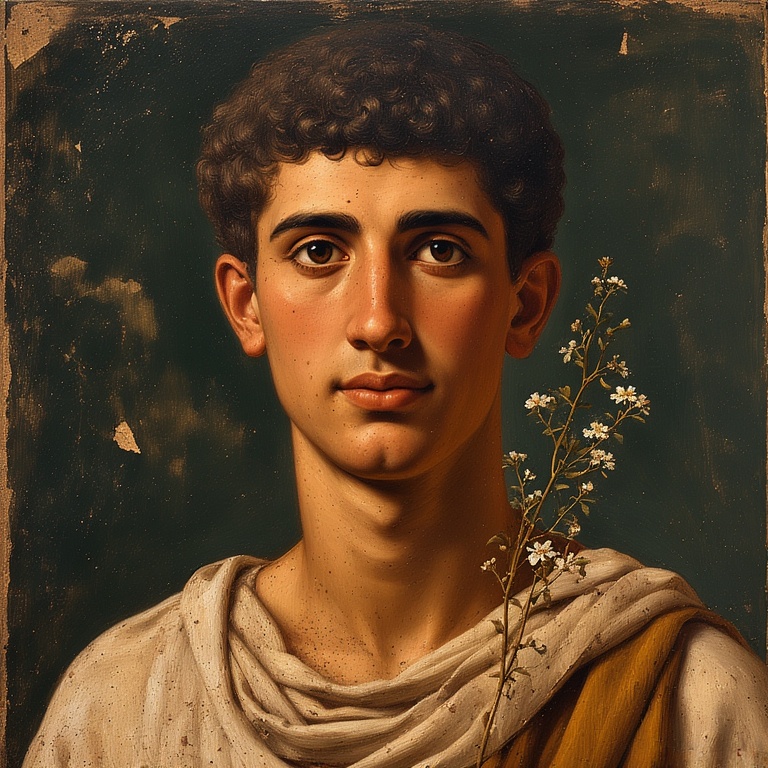
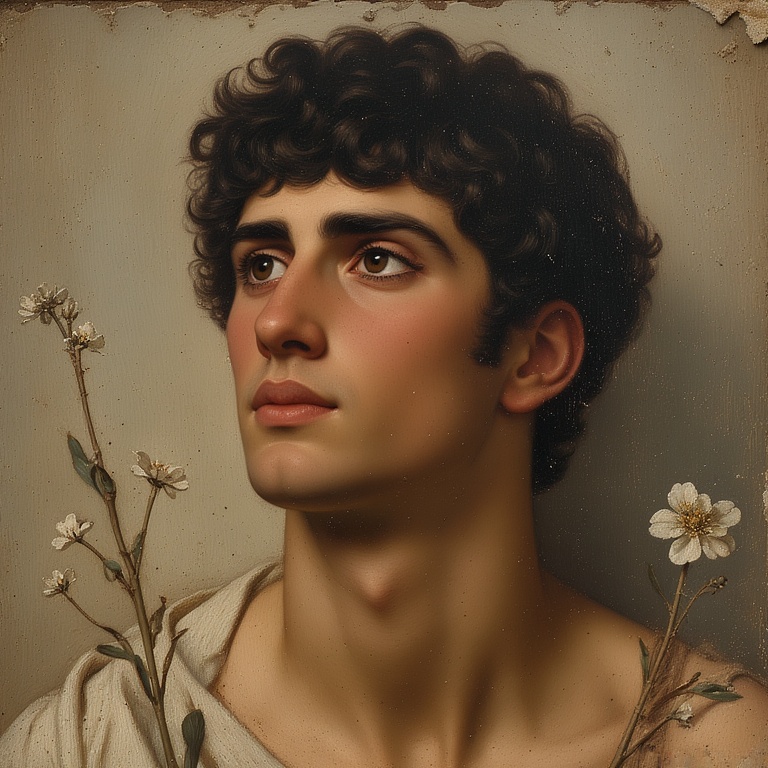
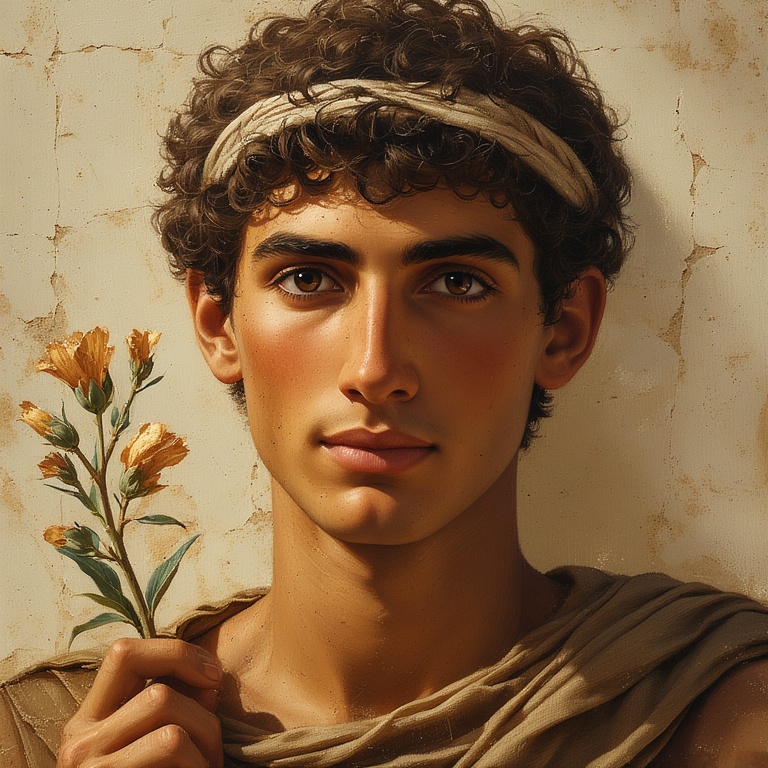
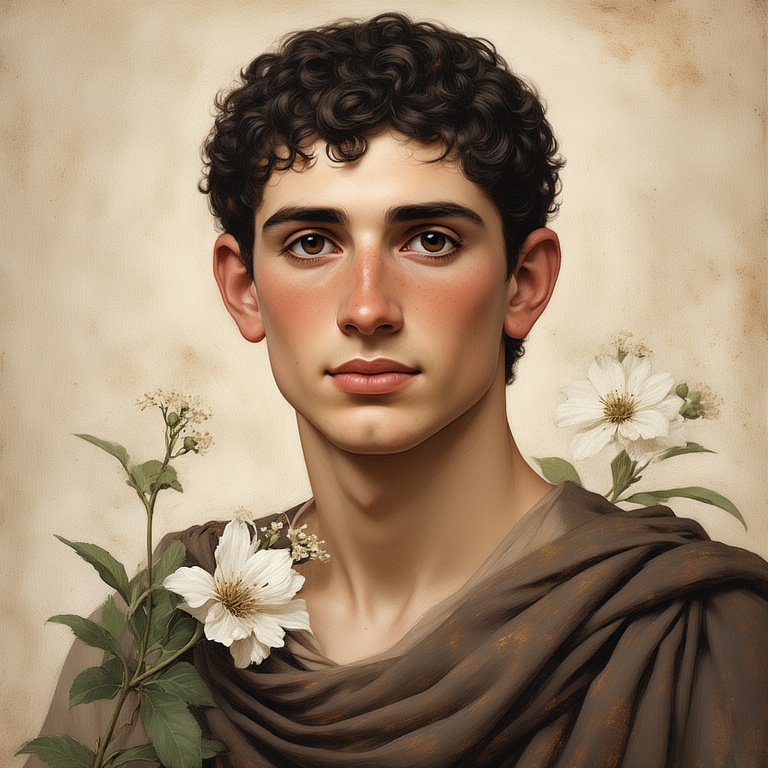
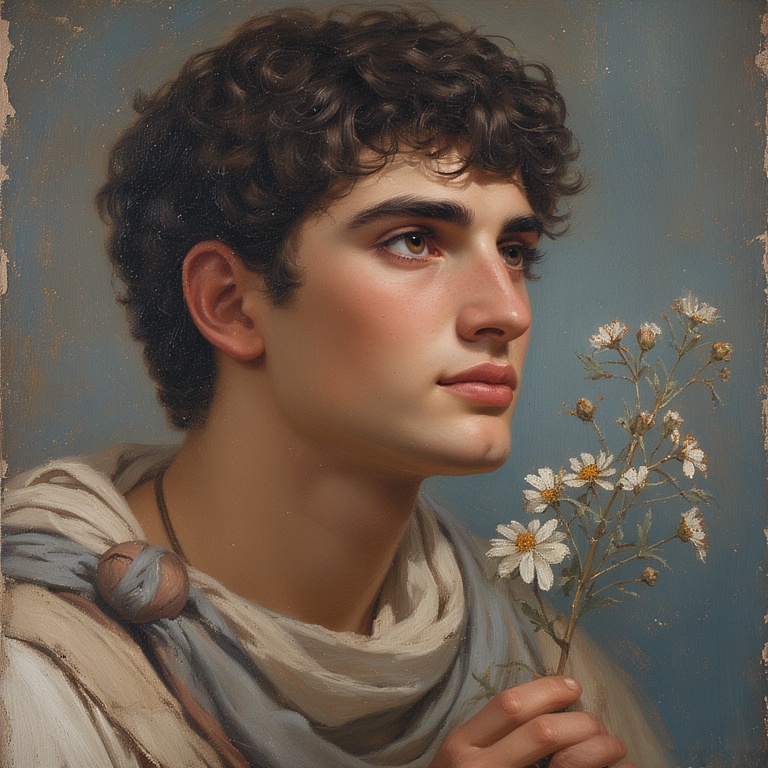
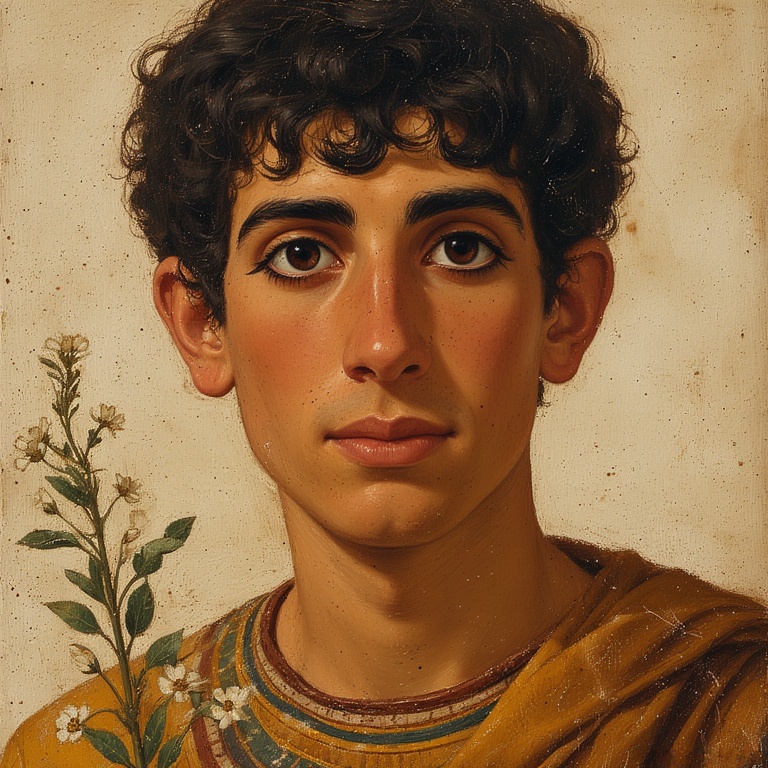
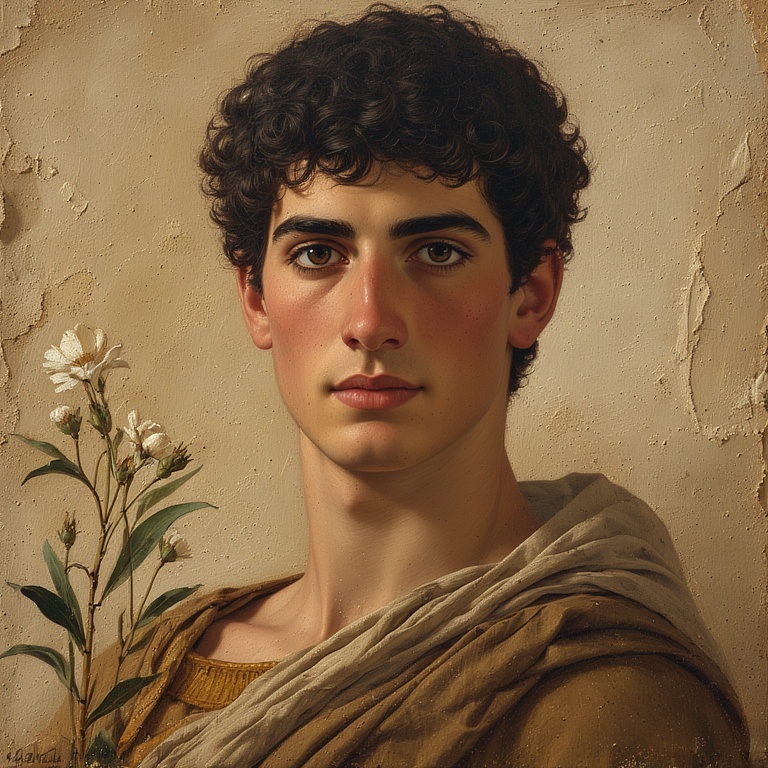
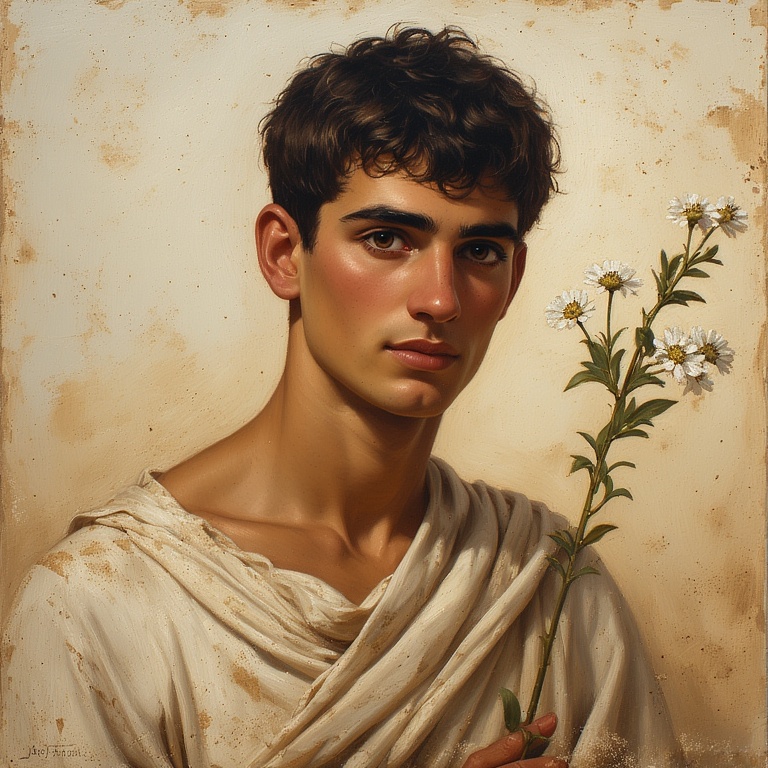
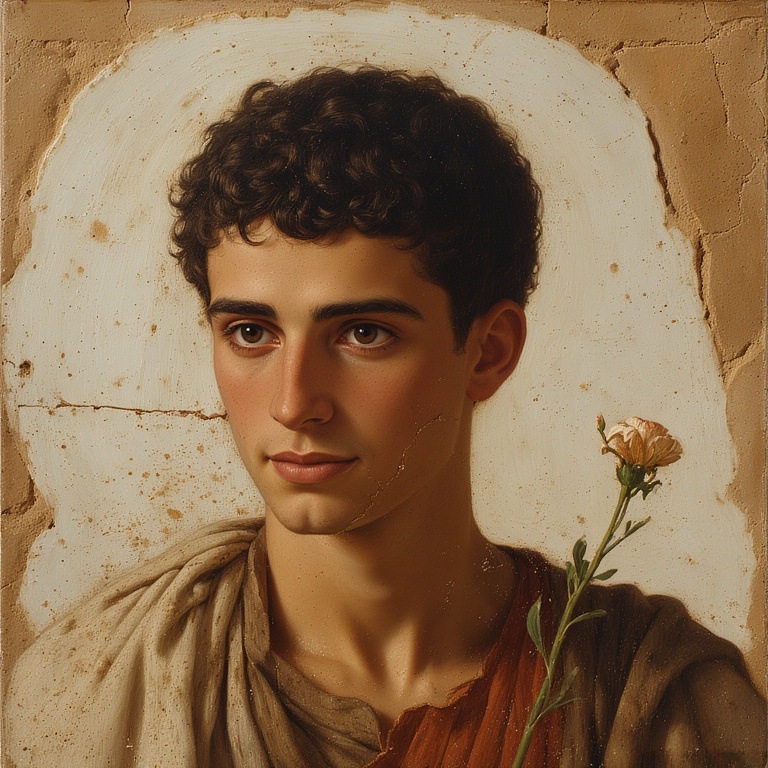
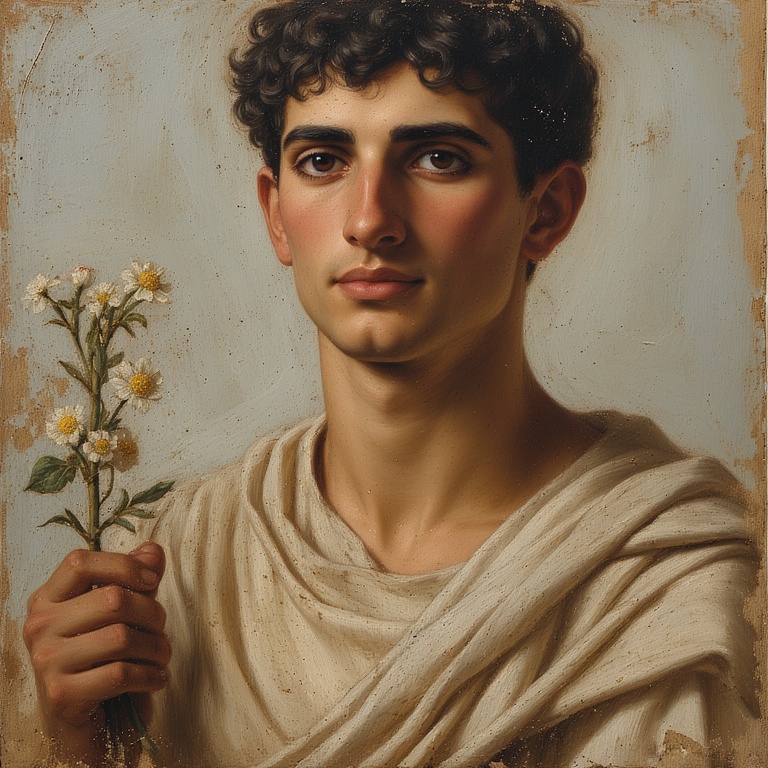
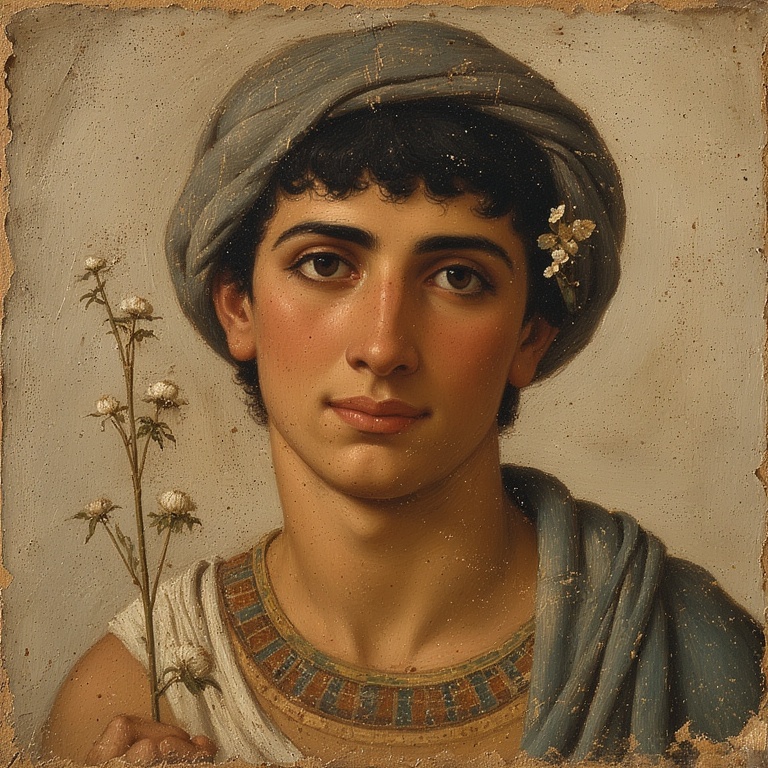
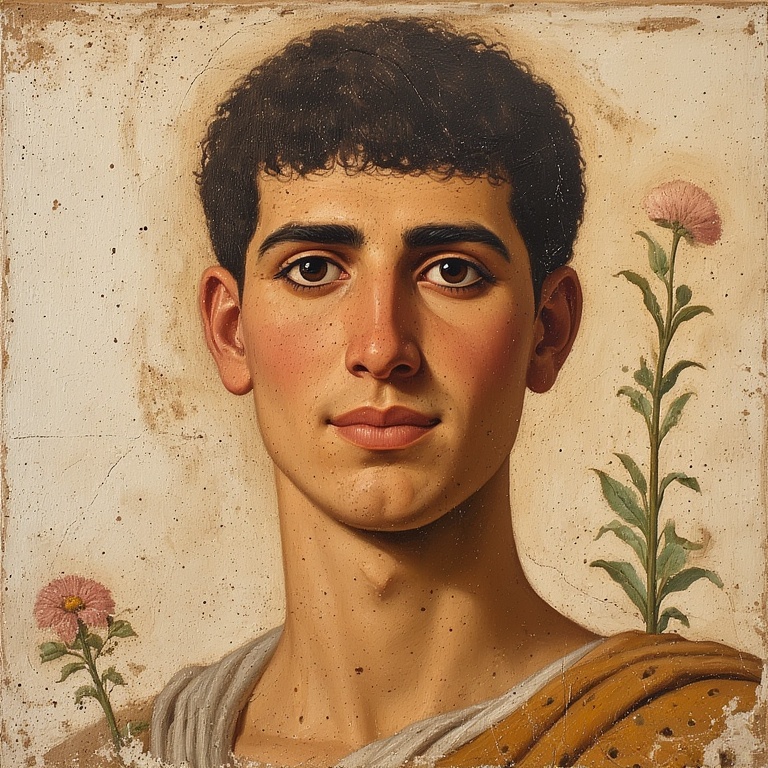
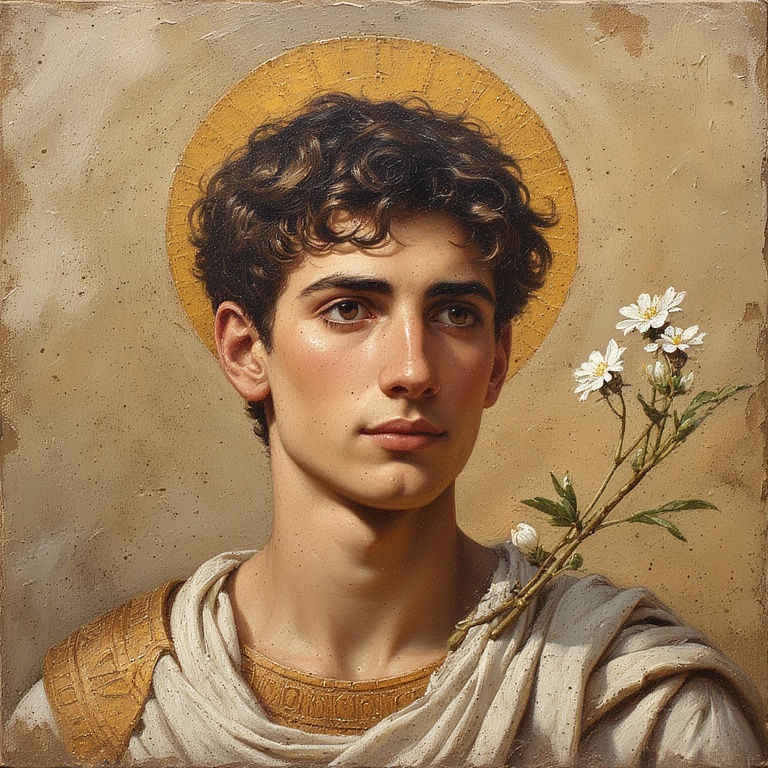
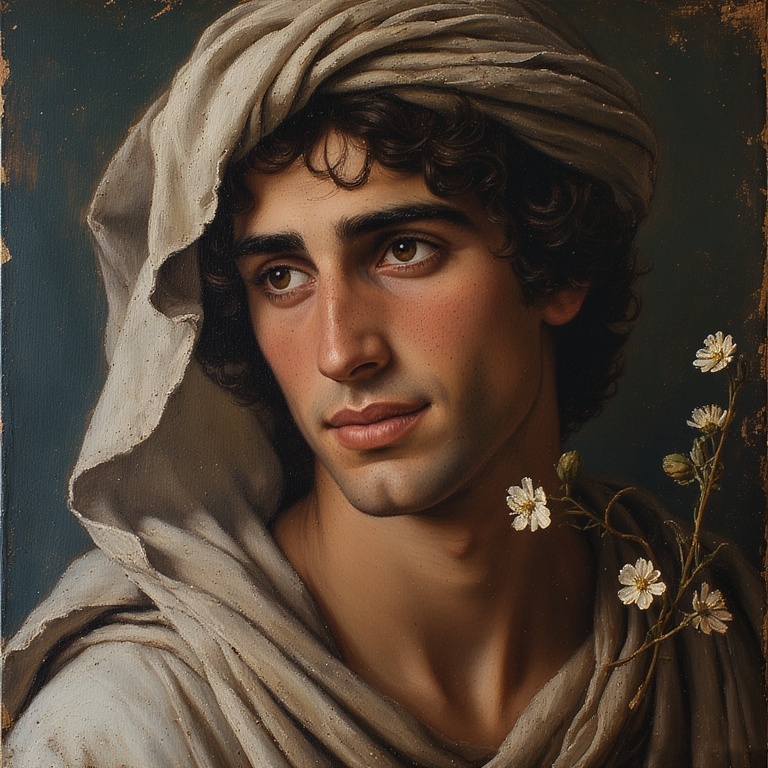
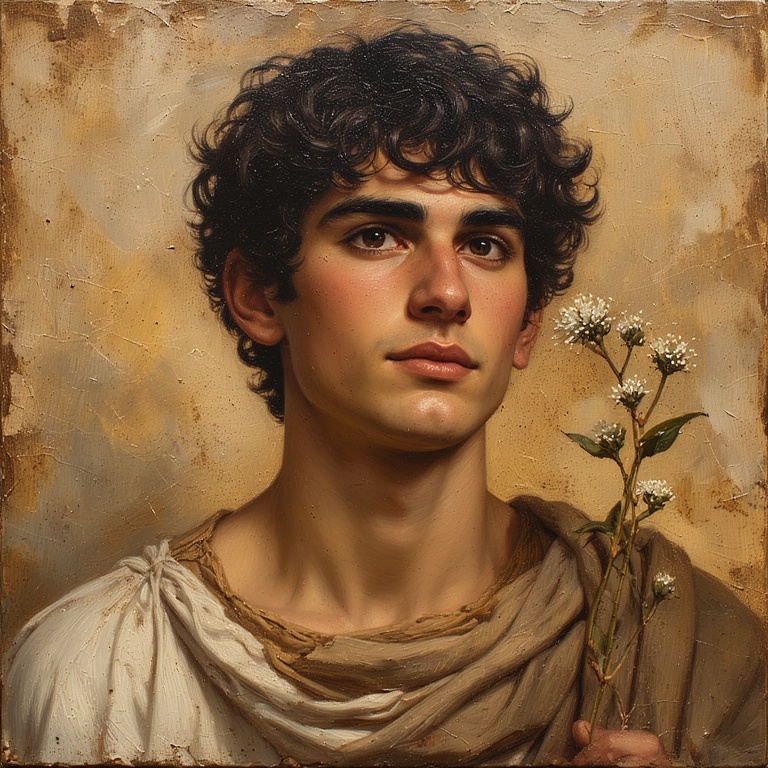
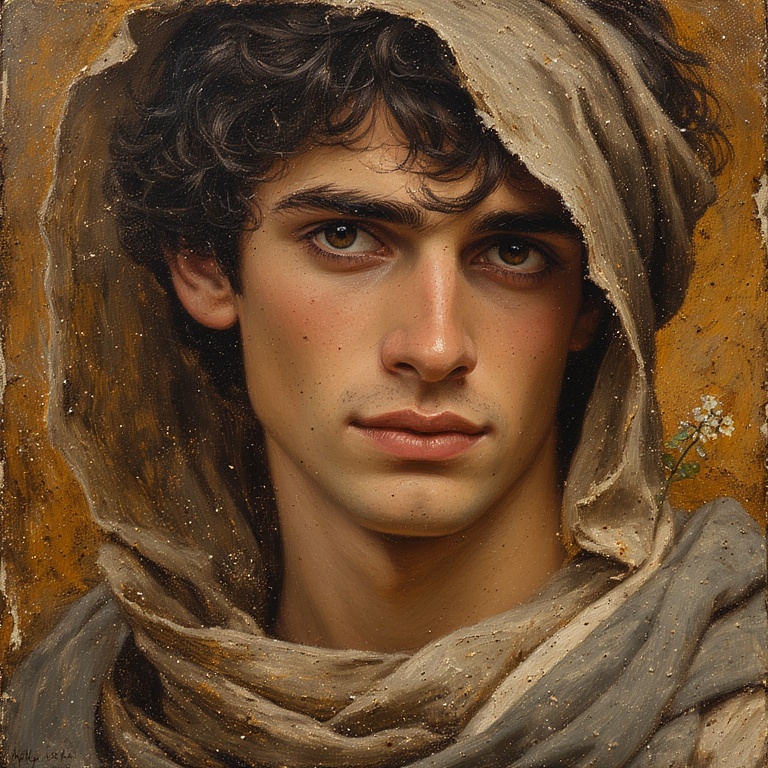
* A hauntingly beautiful Graeco-Roman fresco portrait from ancient Egypt, likely from the region of Fayyum — a place where worlds once collided: Egyptian tradition, Greek culture, and Roman rule.
This young man, with his deep brown eyes and calm, resolute gaze, has looked out at the world for nearly two millennia. His tunic, simple yet elegant, and the delicate sprig of flowers he holds, speak of a quiet dignity. Painted with remarkable realism, his features still radiate life, as if he could speak at any moment.
These portraits, known as the Fayum mummy portraits, were part of burial traditions during the Roman period in Egypt (1st–3rd century AD). They were painted on wooden panels or plaster and placed over the faces of mummified individuals. Combining Egyptian beliefs about the afterlife with Greco-Roman artistic techniques, they are among the earliest examples of true portraiture in human history.
What’s most striking is how modern they feel — their expressions, their humanity, their individuality. This young man, though long gone, still meets our gaze across the centuries, reminding us that art transcends time.
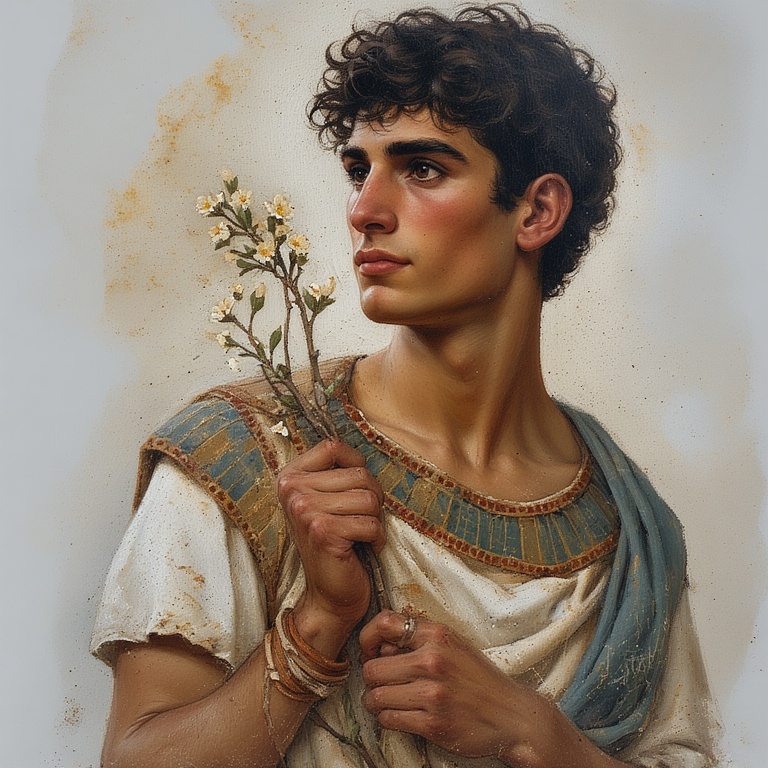
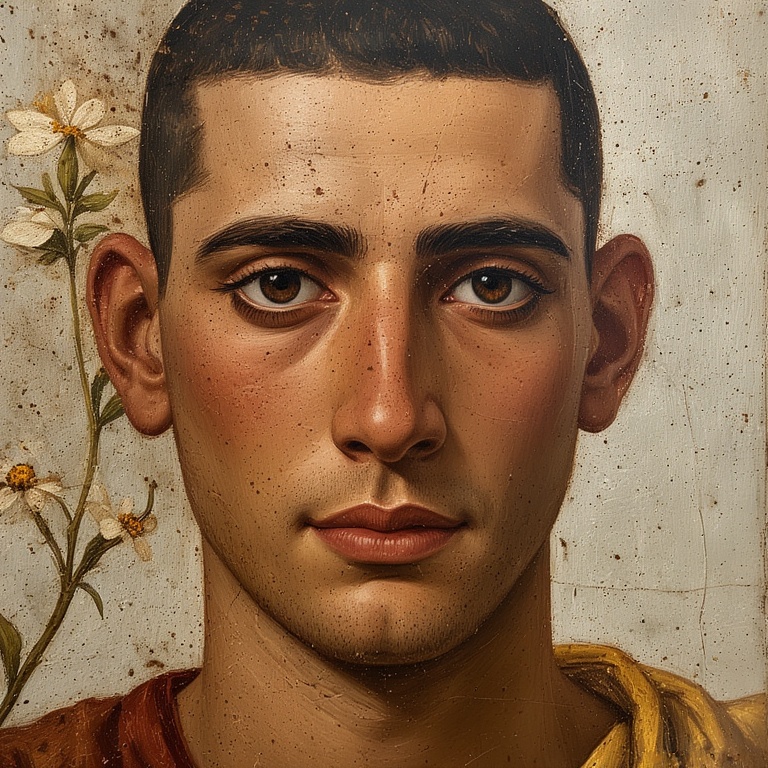
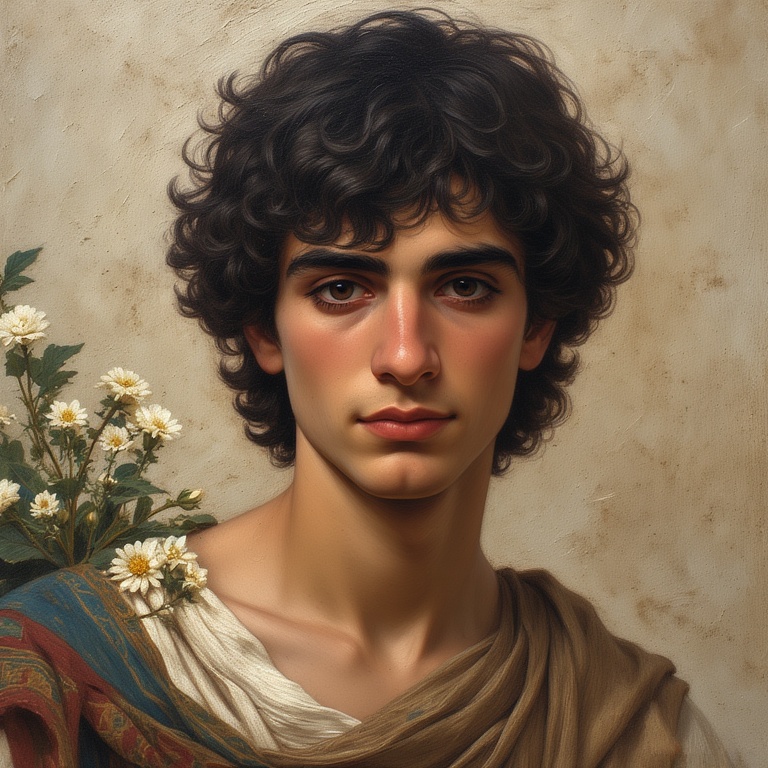
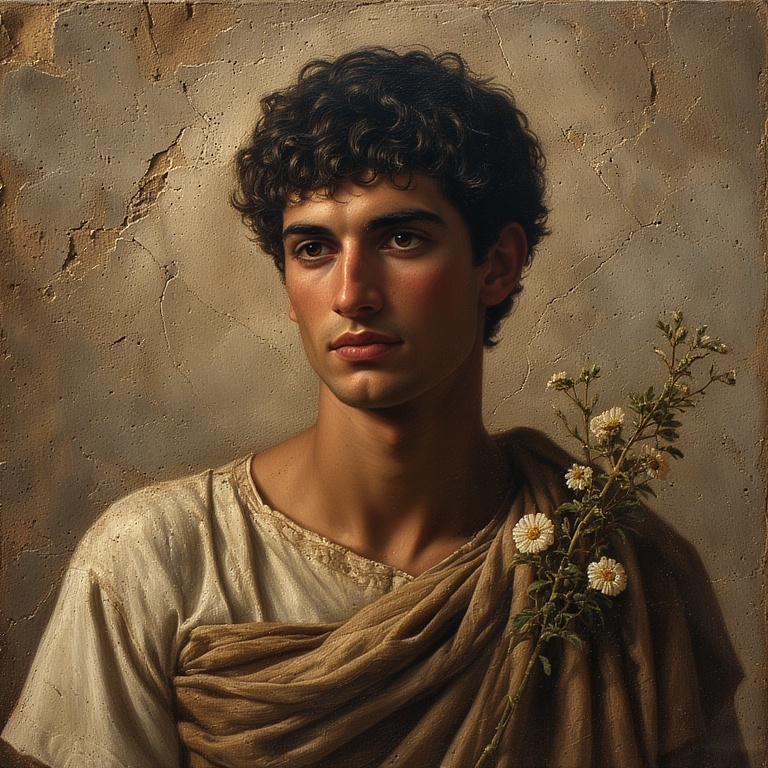
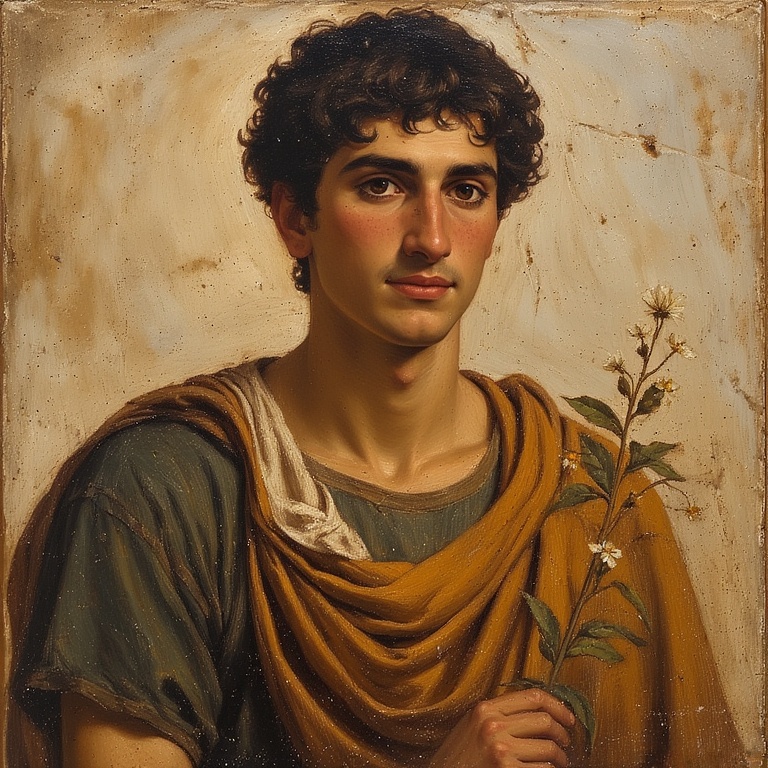
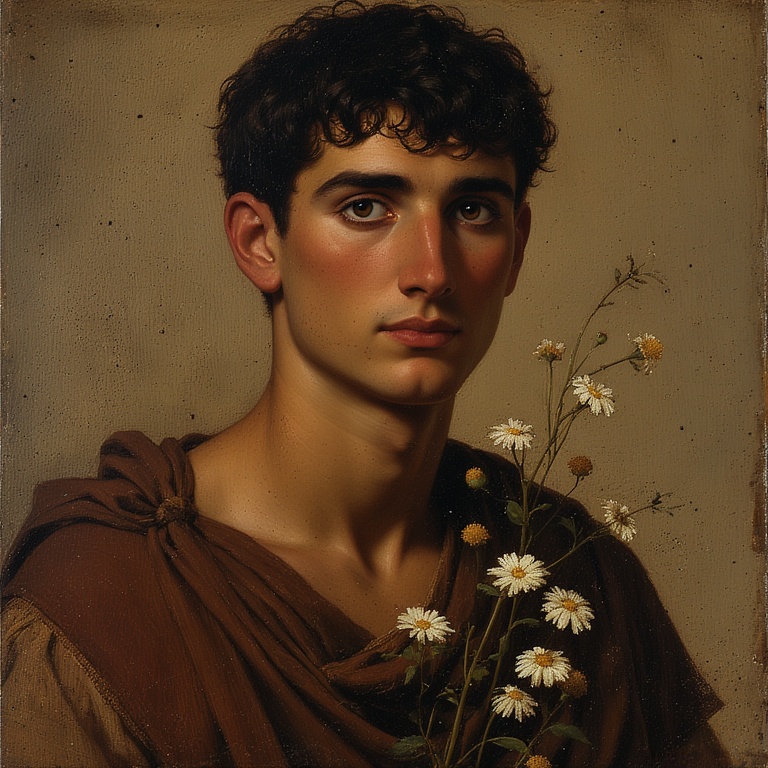
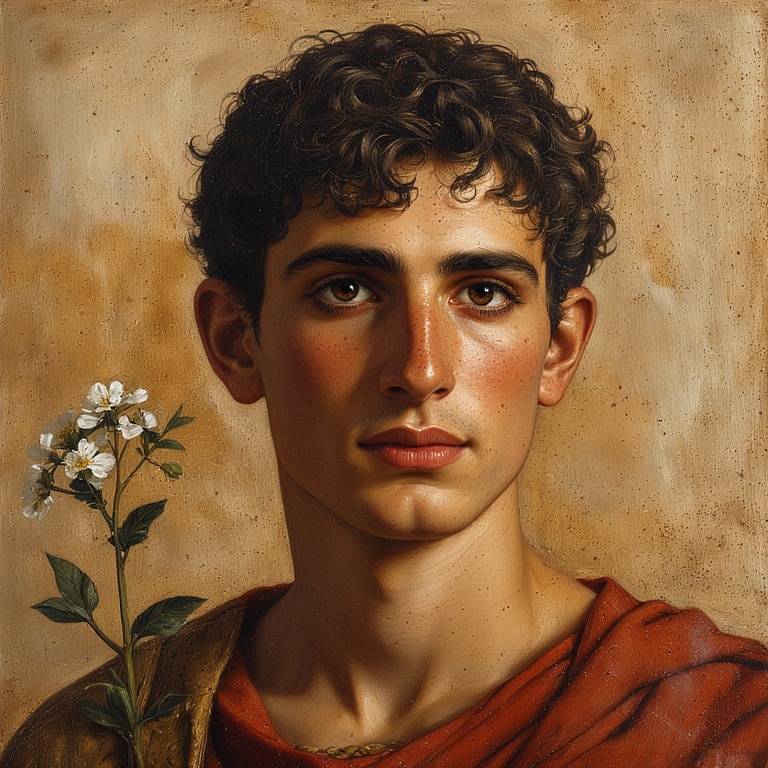
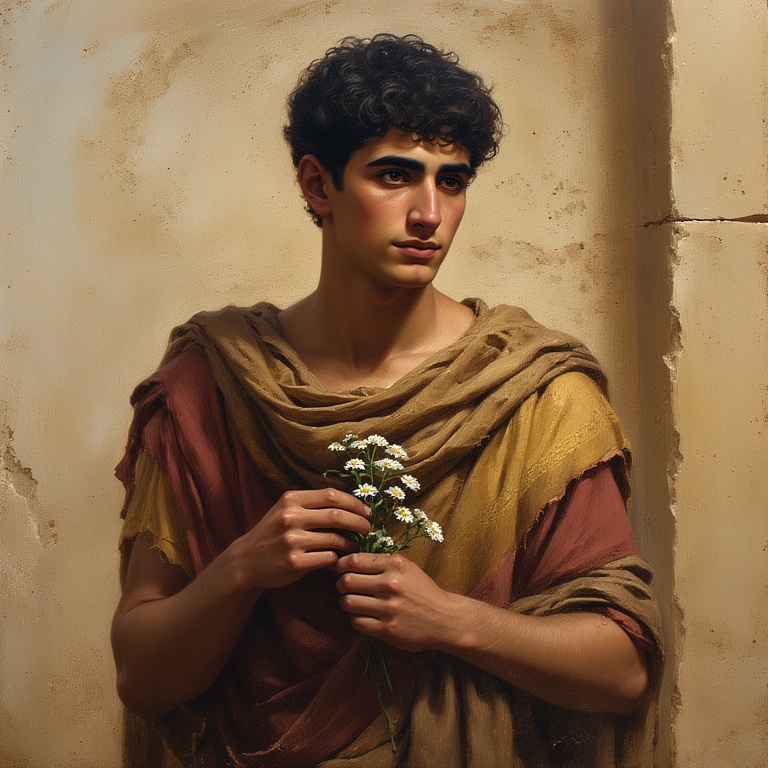
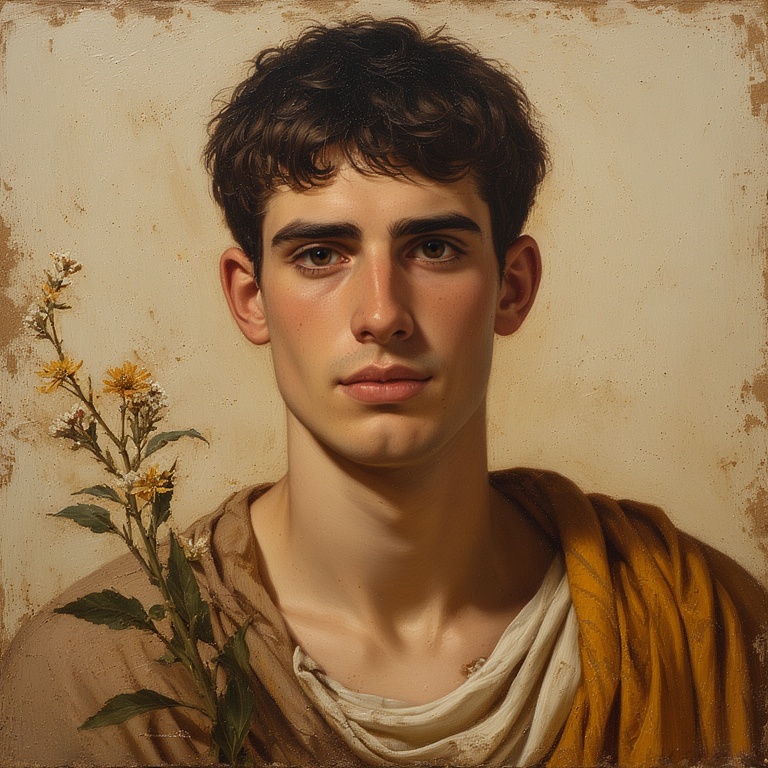
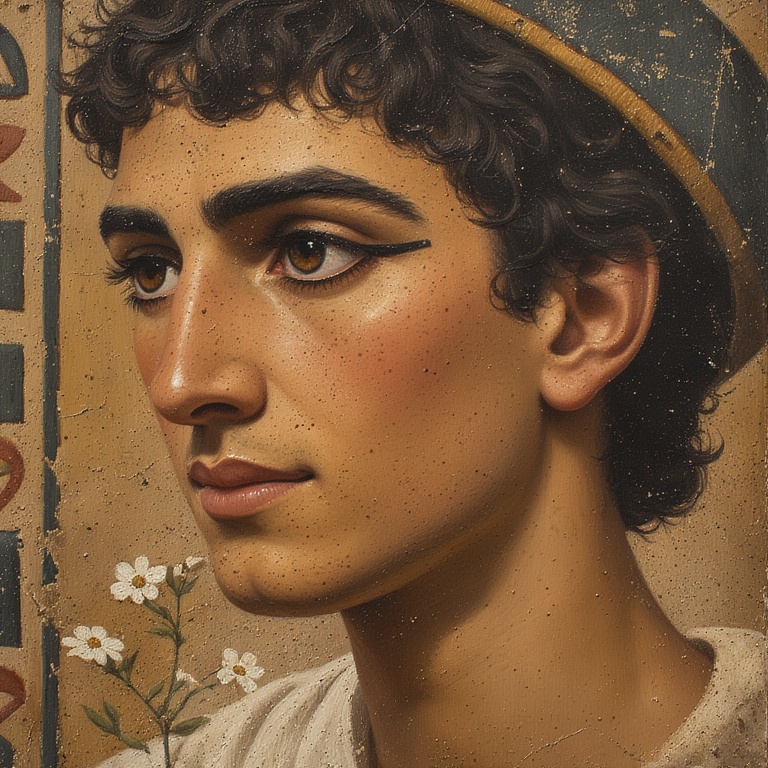
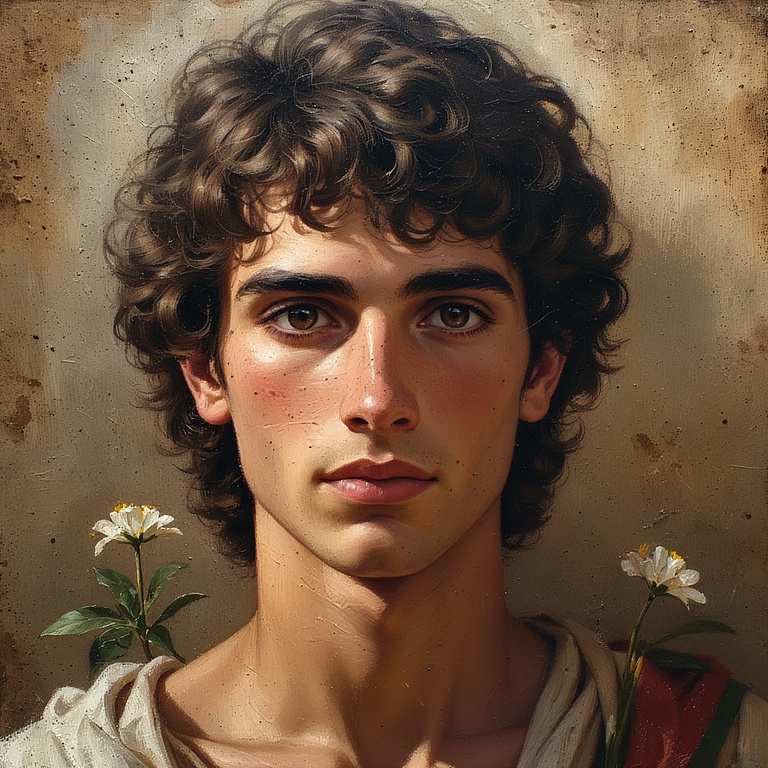

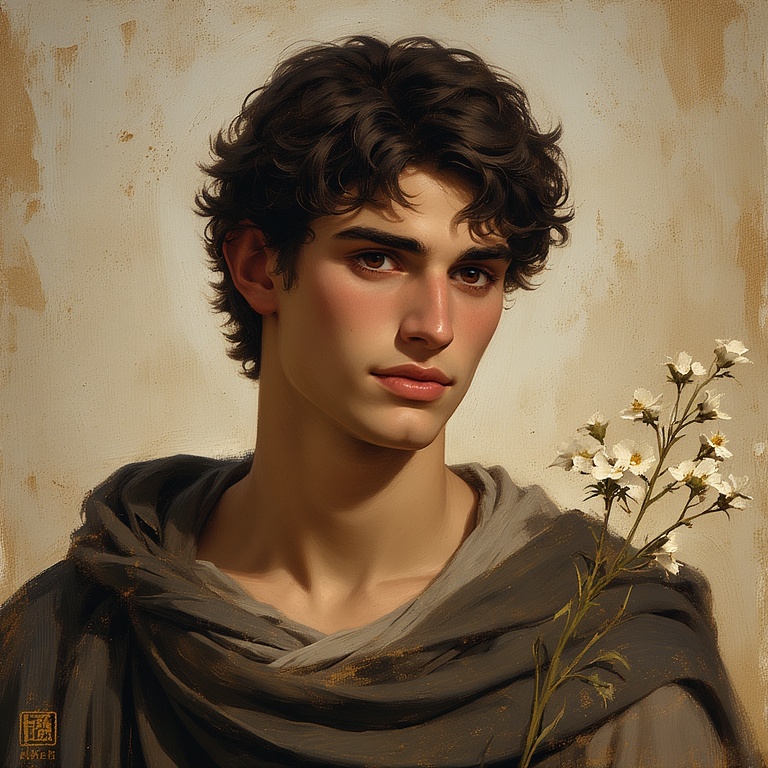
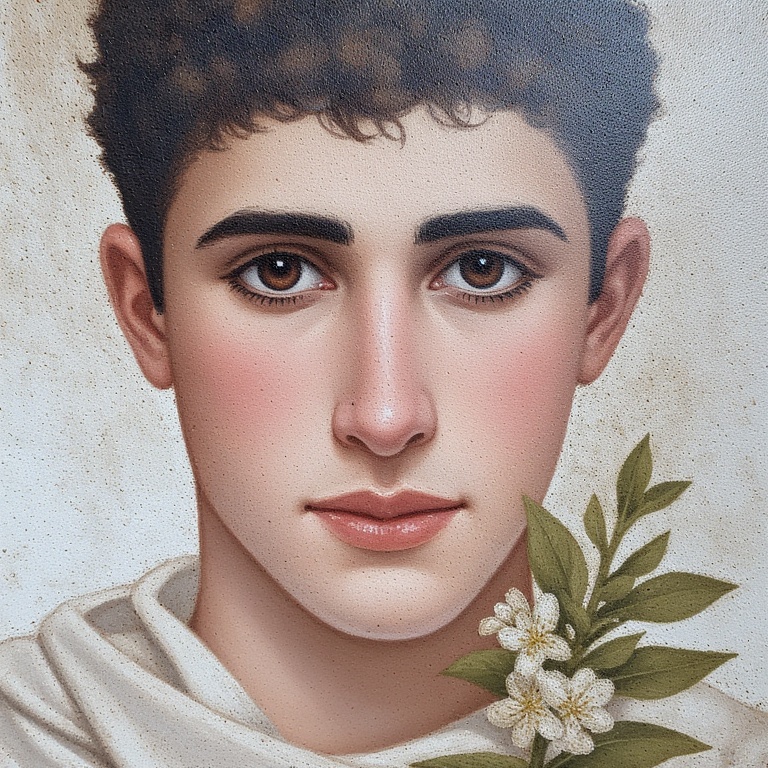
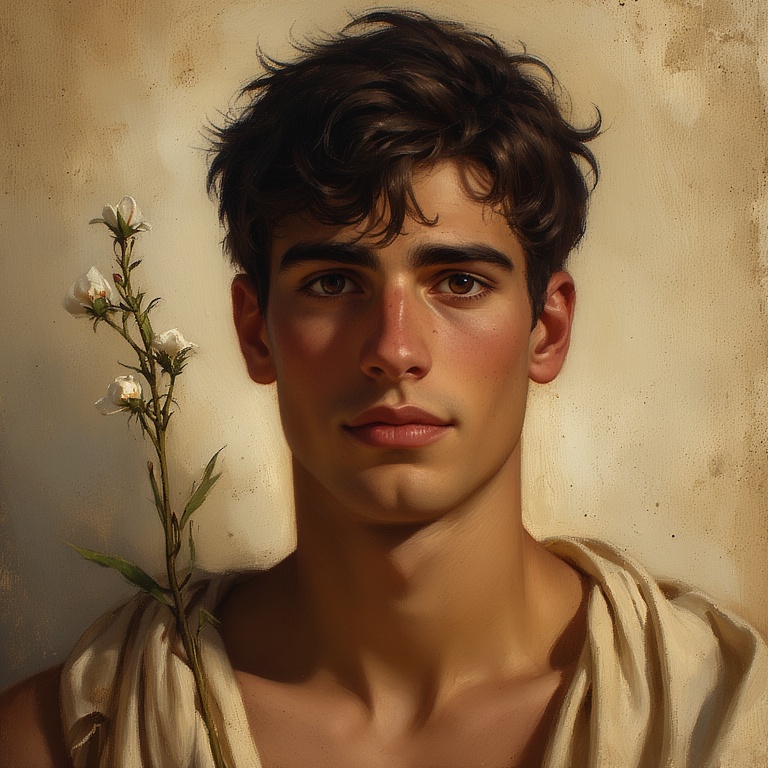
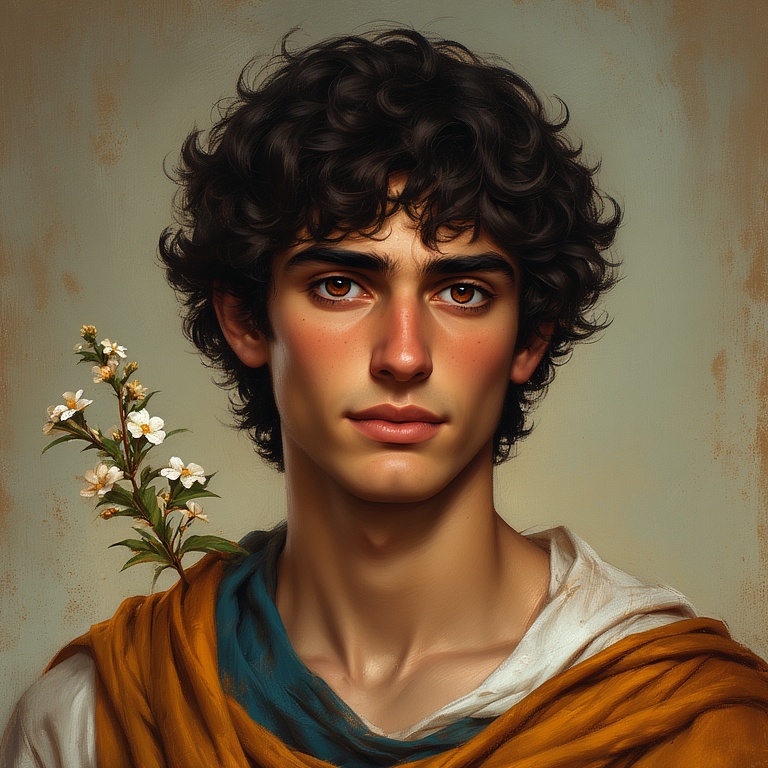














* A hauntingly beautiful Graeco-Roman fresco portrait from ancient Egypt, likely from the region of Fayyum — a place where worlds once collided: Egyptian tradition, Greek culture, and Roman rule.
This young man, with his deep brown eyes and calm, resolute gaze, has looked out at the world for nearly two millennia. His tunic, simple yet elegant, and the delicate sprig of flowers he holds, speak of a quiet dignity. Painted with remarkable realism, his features still radiate life, as if he could speak at any moment.
These portraits, known as the Fayum mummy portraits, were part of burial traditions during the Roman period in Egypt (1st–3rd century AD). They were painted on wooden panels or plaster and placed over the faces of mummified individuals. Combining Egyptian beliefs about the afterlife with Greco-Roman artistic techniques, they are among the earliest examples of true portraiture in human history.
What’s most striking is how modern they feel — their expressions, their humanity, their individuality. This young man, though long gone, still meets our gaze across the centuries, reminding us that art transcends time.